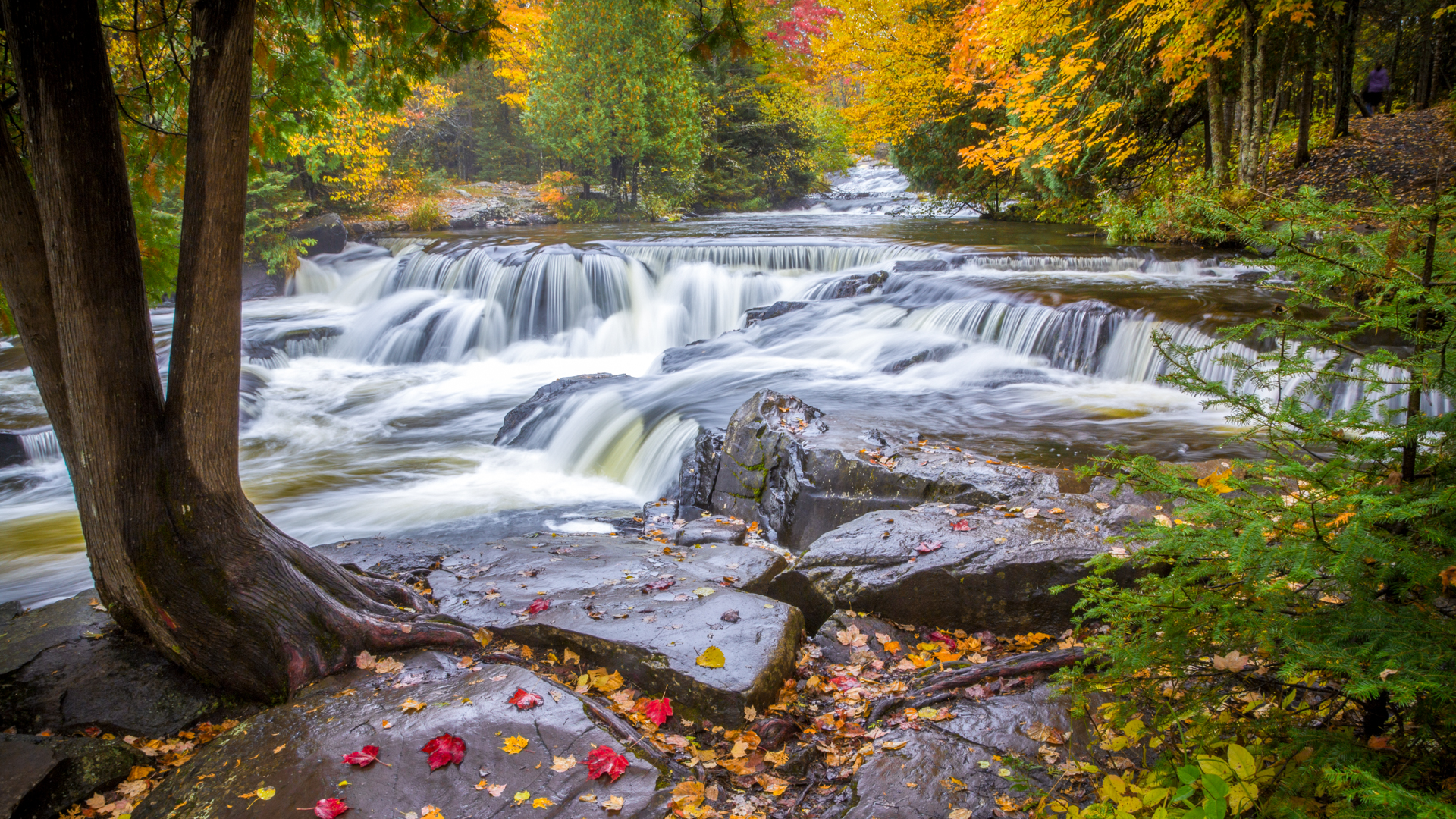
I’m often asked, “what is the best camera?” Well, simply put, it’s the one that you have with you at ready when a picture happens in front of you.
Not to be flippant, but there are so many cameras on the market with such incredible features, resolution, and quality, that what often makes the difference in getting “that” picture is not which camera, but rather simply having a camera and having it ready.
Here are three suggestions (from experience!) that will help.
First, when you return from a shoot, be sure to reset any custom or assignment-specific settings back to automatic or neutral (e.g., white balance, shutter mode, exposure compensation, ISO, metering mode, etc.). Then set your camera mode back to the “P” automatic mode. Granted, it may not be the ideal setting, but you will get a picture. There’s nothing worse than grabbing your camera to catch “that” picture and clicking the shutter only to have no autofocus, a two-second delay, mirror locked up, and a 20-second exposure because your camera was last set for shooting the skyline at night.
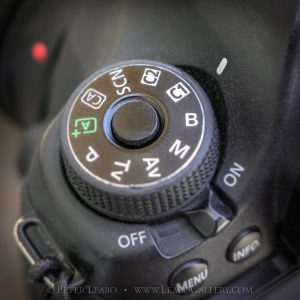 Second, consider using one of the user-defined Custom modes in your camera to store all those neutral/automatic settings with your camera in the “P” automatic mode. Then, regardless of whatever shooting situation you’re currently in (portrait with custom color balance, or long-exposure night skylines, etc.), when something unexpected happens you can quickly switch the mode to C1 (or wherever you’ve stored those settings) and shoot without having to take time to reset half a dozen different settings.
Third, there’s nothing worse than picking up your camera for that split-second shot and capturing an incredible close-up of the back side of your lens cap! Lose it! A high-quality UV filter does an equally good job protecting your lens and is much easier to shoot through.